
“Be still, and know that I am God!” (Psalm 46:10)
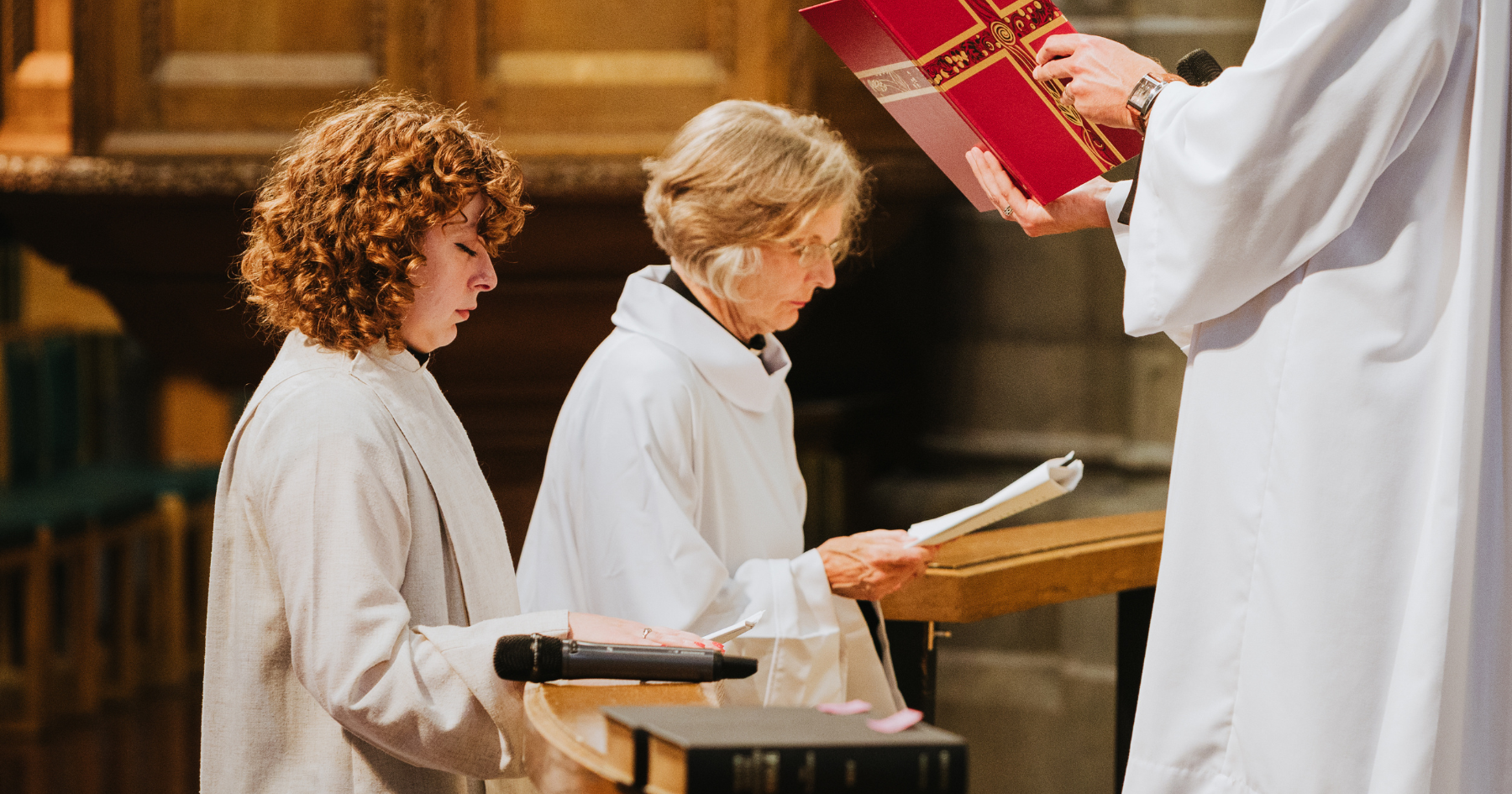
In a world filled with constant noise, the presence of silence in the Anglican eucharist may feel unusual. Yet silence is not simply the absence of sound; it is an intentional and meaningful part of the liturgy. These moments of stillness allow the words and actions of the service to be felt more deeply in the hearts of the congregation and create space to listen for God.
One helpful way to understand liturgical silence is through music. In music, the downbeat gathers everything together and sets the rhythm for what follows. Just as important are the rests, the brief silences that allow the music to breathe. Without them, the music would become a continuous stream of sound with little shape or meaning. Silence in the Eucharist works in much the same way. It gives the liturgy room to breathe and allows worshippers to absorb what has just taken place.

Throughout the eucharistic service, silence appears at important moments. Silence follows the readings and the sermon. Scripture is not simply information to be heard and quickly forgotten; it is the living Word meant to shape our lives. A brief pause, especially after the proclamation of the gospel, allows worshippers to listen inwardly for how the Spirit might be speaking.
During the prayers of the people, silence invites personal prayer within the shared prayer of the community. While the spoken intercessions name the needs of the church and the world, quiet pauses allow each person to bring before God the concerns of their own heart.
After the invitation to confession, a pause allows worshippers to reflect honestly on their lives before God. Rather than rushing into familiar words, the quiet moment encourages genuine self-examination and prepares the community to seek God’s mercy.
Silence also plays a meaningful role during the great thanksgiving. As the priest leads the congregation through this central prayer of the eucharist, brief pauses help the community attend more deeply to the mystery being celebrated. The prayer recounts God’s saving work in creation, redemption and the life of Christ. Moments of silence allow these words to resonate rather than rush past. They invite worshippers to enter the prayer, not only with their voices, but also with their hearts. Like a musical downbeat gathering the ensemble before the next phrase, these quiet moments help the congregation remain attentive to the sacred action unfolding at the altar.
Some of the most meaningful silence comes after receiving communion. Having shared in the bread and wine, worshippers rest in God’s presence with gratitude. Words are not always necessary in such moments; silence itself becomes a form of prayer.
For congregations accustomed to constant words and activity, silence can sometimes feel uncomfortable at first. Yet when embraced intentionally, it becomes a gift.
Like the rests in music and the gathering strength of a downbeat, silence gives shape and depth to the eucharist. Silence is a reminder that worship is not only about what we say to God; it is about making space to listen. In the quiet moments of the liturgy, the community learns again that God often speaks most clearly in the stillness.