Facebook knows me (almost) better than God knows me
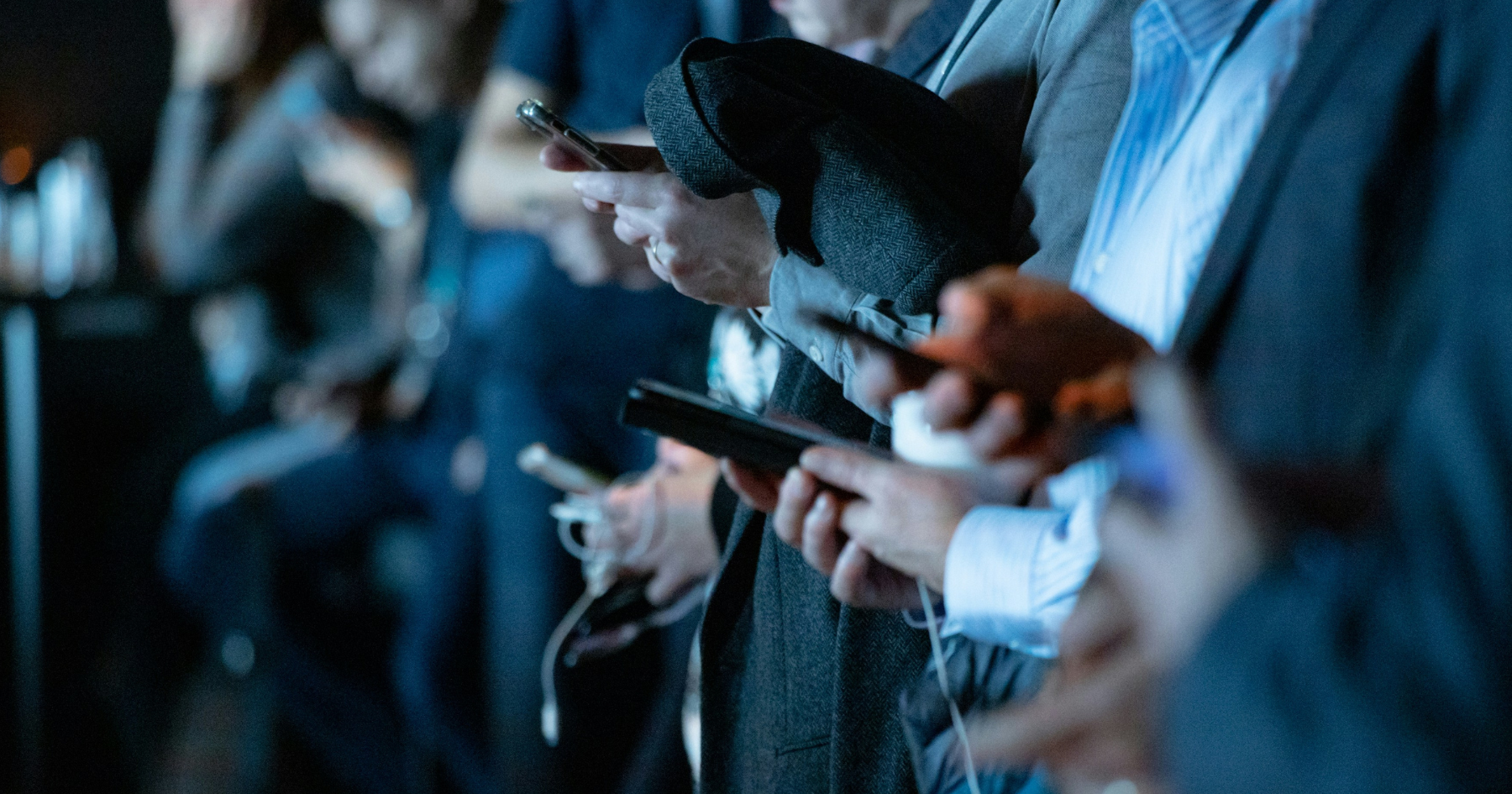
In capitalism’s latest phase, we are the products being bought and sold. If we think we are getting something for free — Facebook, for example — then we’ve been had. Our attention has been hijacked and monetized. We offer invaluable assistance to marketers by informing them about what we value most through our social media behaviour.
In her book Dopamine Nation, Anna Lembke tells the sobering tale of how a leading addiction therapist became addicted herself. Her gateway drug? The Twilight series. Really, a teen series of vampire and werewolf romance novels functioned as a drug?
To Lembke, these novels initially seemed innocent, until she found herself losing entire weekends reading increasingly explicit books at the expense of time with family, only to show up at work bleary-eyed on Monday.

My addictions? Okay, I’ll fess up. My news feed is full of juicy bits of news, articles written by my learned friends, new books I must have, and, of course, my favourite craze, fountain pens. Don’t ask me how many of these pens I have purchased in the last four years.
Facebook knows me better than I know myself, indeed (almost) as well as God knows me, because it knows my behavior, not how I like to think of myself, but what I actually do.
Why all this sobering talk of addiction in what should be a frothy January column? Many of us view the new year as an opportunity to initiate major changes. However, as I read Lembke’s book — along with Christopher Hayes’ new book The Sirens’ Call — I realize that we are hopelessly outgunned.
Entire industries are at work to hook us, whether on the classical baddies — sex, alcohol and drugs — or newer, more innocuous ones like romance novels or fountain pens. We cycle from one dopamine hit to another, of course, craving a bigger hit each time because a harsh come-down follows each dopamine hit.
Churches offer an antidote to addiction
How we spend our days, even our hours, is how we spend our lives (hat tip: Annie Dillard). Real change has to be granular rather than epic. We must reclaim our hours, even our minutes, if we are to reclaim our lives.
But you may be wondering, what does any of this have to do with the church?
If we’ve been hacked with our own assistance, we are bound to remain entrapped in our current predicament. Our powers of resistance are no match for the forces marshalled against us. Resistance is futile — at least resistance of the self-help variety.
Moreover, this predicament is both personal and cultural. This isn’t just about our individual lives, but about how our social, economic and political lives are wired around addictions, from our children’s video games to our own persistent addiction to doom scrolling in an age of fascism and climate disaster.
Religious traditions have known about the human propensity for addiction for literally ever! The greatest theologian in the history of Christianity is an out-of-the-closet sex addict. I am, of course, talking about St. Augustine, who prayed the most honest prayer in the history of religion: “Oh Lord, give me chastity but not yet!”
But Augy — as I like to think of my ancient North African buddy — also knew, “Our hearts are restless until they find their rest in thee.” Our addictions, innocent or otherwise, never satisfy because we are created for deeper longings.
What are these authentic longings, longings that are not about progressing to ever escalating dopamine hits? Our longing for community; our longing to make a difference through creativity and action; our longing to belong to the natural world, our mothering home; and our longing to reconnect to the very source and ground of our lives, the one whose name and nature is Love.
Augustine taught us that there is no way to wean ourselves from addictions without surrendering our hearts to the loves for which they were truly fashioned. We belong either to our destructive addictions or to life-giving and healing powers. As St. Paul put it, we are either slaves to the powers and principalities or slaves to Christ.
Here’s a helpful mantra from the addiction experts: the cure for addiction is connection. In an era of isolation, we need to reconnect with ourselves, with one another, with nature, and with God. Figuring out how to do this, through disciplines ancient and modern, that is what the church is for. Instead of generating yet another short-lived list of New Year’s resolutions, let us collectively resolve to redirect the church’s resources toward meeting the challenge of surviving and even thriving in an age of market-driven addiction. Now that is holy work indeed!
Reading list
Anna Lembke, Dopamine Nation: Finding Balance in an Age of Indulgence (2021)
Tobias Rose-Stockwell, The Outrage Machine: How Tech Amplifies Discontent, Disrupts Democracy—And What We Can Do About It (2023)
Christopher Hayes, The Sirens’ Call: How Attention Became the World’s Most Endangered Resource (2025)